
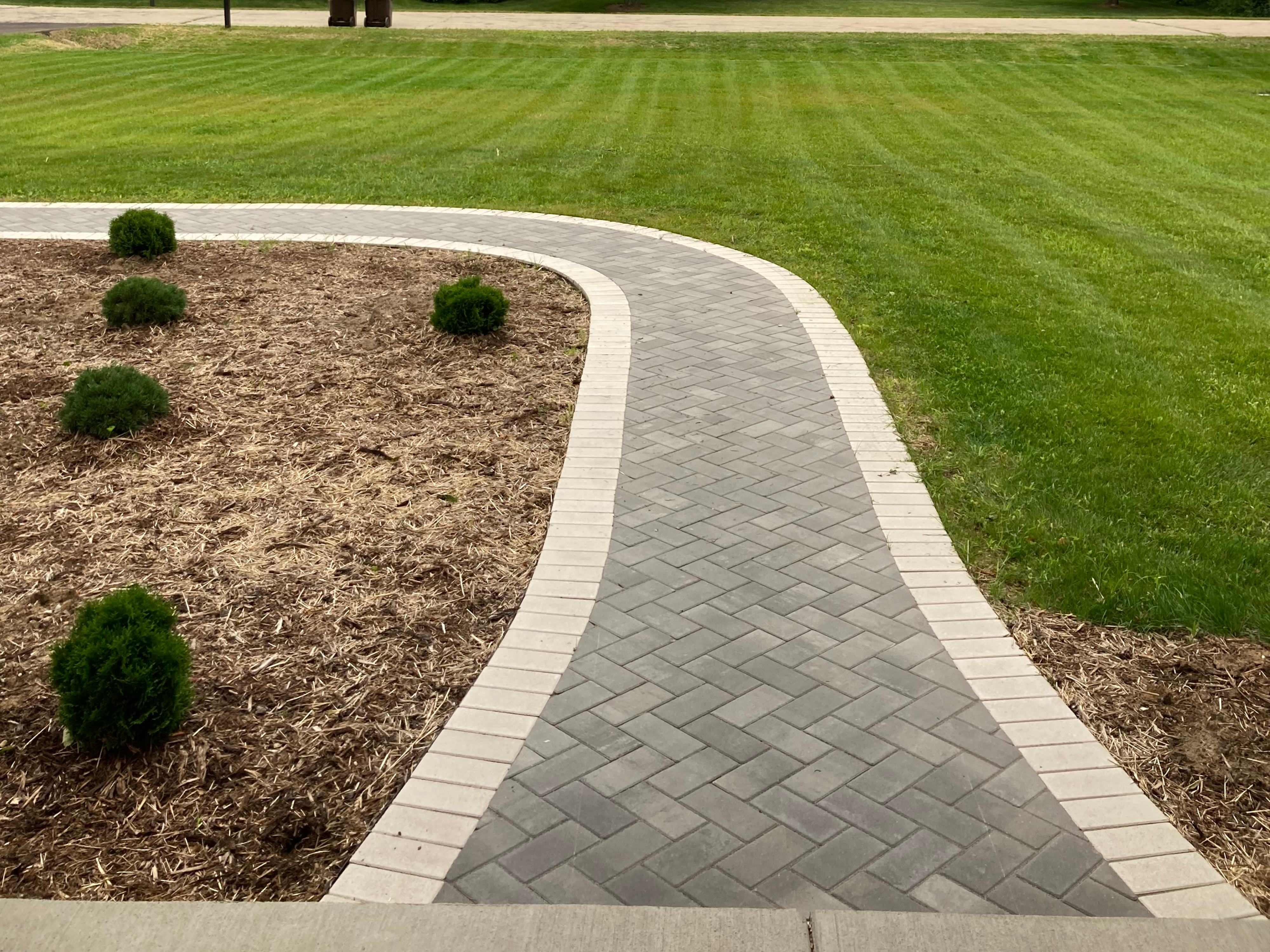
Adding stone to yard spaces can transform drainage, durability, and curb appeal. See what truly changes with stone or brick, including costs, maintenance, and design ideas you can use right away.
Why Adding Stone to Yard Areas Is More Than a Cosmetic Upgrade
When people picture adding stone to yard spaces, they often think about looks first. Stone and brick do upgrade appearance in a big way, but the benefits go much deeper. With the right plan, you can resolve drainage issues, cut back on lawn maintenance, stabilize slopes, and create outdoor living areas that last for decades. If you live in Southeast Wisconsin, these functional improvements are even more valuable because of seasonal freeze and thaw cycles. Koch Kuts in Burlington has helped homeowners and businesses navigate these changes for more than 25 years, and their projects show how a yard can go from high maintenance to high performance with the right hardscaping.
What Actually Changes When You Add Stone or Brick
1. Water Management and Drainage
One of the biggest changes is how water moves across your property. Turf and planting beds can absorb a lot of rain, but they can also allow water to collect in low spots. Adding stone to yard features like dry creek beds, French drains, or gravel swales helps guide water away from foundations and soggy areas. Permeable paver systems and open-graded base layers also let water pass through the surface into the ground instead of running off. This can reduce pooling, protect basements, and limit erosion.
2. Erosion Control and Slope Stability
If you have slopes or shoreline, stone and brick create stability that soil and mulch cannot provide on their own. Retaining walls hold back soil and prevent washouts. Riprap and shoreline stone resist wave action and ice expansion. Rock mulch and edging protect beds from heavy rains. These are long-term changes that keep your landscape in place through spring storms and winter melt.
3. Everyday Maintenance
Adding stone to yard areas typically reduces ongoing yard work. Rock mulch does not break down like wood mulch, so you do not need to reapply it every year. Paver patios and walkways are easier to clean than natural turf, and polymeric sand helps block weeds. Strategic stone borders make mowing and trimming easier by creating a crisp edge. Snow removal can also be simpler on paver driveways and walkways when they are properly graded and compacted.
4. Durability and Lifespan
Brick and natural stone are built to last, especially when installed on a proper base with good drainage. A paver patio can outlast a poured concrete slab in freeze and thaw conditions because joints allow movement without cracking. Retaining walls built to spec resist pressure over decades. Shoreline stone resists rot and UV damage. The result is a yard that stays attractive and functional for far longer with fewer repairs.
5. Curb Appeal and Property Value
Stone and brick create a high-end look that boosts curb appeal. Front walkways with pavers, stone-lined beds, and brick borders frame your home and add visual interest. Hardscapes also define outdoor rooms, which buyers value. Well-designed stonework can increase perceived and appraised value, especially when it solves problems like drainage or slope management. A landscape that looks clean, intentional, and well maintained is a strong selling point.
Where Stone and Brick Make the Biggest Difference
Koch Kuts helps homeowners and businesses identify the best places for stone and brick. Here are popular applications that deliver immediate and long-lasting improvements.
- Paver patios and outdoor living spaces
- Walkways and entry steps
- Retaining walls and raised garden beds
- Driveways with premium stone bases
- Rock mulch for planting beds
- Edging and borders for lawns and paths
- Fire pits and outdoor fireplaces
- Pool hardscapes and seating areas
- Shoreline restoration and erosion control
- Dry creek beds and decorative drainage channels
Material Choices: Stone vs. Brick vs. Pavers
Natural Stone
Natural stone offers unique color and texture. Flagstone and bluestone are common for patios and walkways. Granite and limestone are popular for steps and wall caps. River rock and crushed stone are used for drainage and mulch. Natural stone has a premium look and a long lifespan, but it requires precision for a stable install.
Clay Brick
Clay brick delivers a timeless, classic style. It is excellent for walkways, borders, and patios. Brick pairs well with traditional and historic homes. It is durable, colorfast, and a great match for Southeast Wisconsin architecture. Proper base work is key for stability and drainage.
Concrete Pavers
Modern concrete pavers come in a wide range of colors, sizes, and textures. Many options mimic natural stone at a lower cost. Pavers are designed for load-bearing applications like driveways and perform well in freeze and thaw cycles when installed on an open-graded base. They are a smart choice for patios, paths, and pool decks.
Design Changes You Will Notice Right Away
Defined Structure
Stone and brick create clear edges and pathways. Your yard feels organized and more usable. Beds do not bleed into lawn areas. Traffic naturally follows walkways to doors and gathering spaces.
Texture and Contrast
Stone brings varied texture to the landscape, which makes plant colors pop. Brick adds warm tones and rhythm through pattern. Contrasts between turf, foliage, and hardscapes make the overall design more interesting.
Year-Round Interest
In Wisconsin winters, stone and brick hold visual appeal when plants are dormant. Walls, boulders, and paver surfaces provide structure that looks good in every season.
Cost Factors for Adding Stone to Yard Projects
Project cost varies based on scope, materials, and site conditions. Here are the main factors that drive price:
- Site prep and excavation needs, including grading and drainage fixes
- Material selection, such as natural stone vs. pavers
- Base construction depth and type for long-term performance
- Access to the work area and equipment requirements
- Project size and custom details like inlays or lighting
While natural stone often costs more upfront, it can offer unmatched longevity and beauty. Concrete pavers provide excellent value for performance and style. Koch Kuts offers free estimates and can recommend options that fit your budget and goals. Visit kochkuts.com to get started.
Maintenance Changes to Expect
Adding stone to yard areas reduces many repetitive tasks, though it introduces a few simple routines. Expect the following:
- Light sweeping and occasional rinsing for pavers and brick
- Replenishing polymeric sand in joints as needed every few years
- Weed control in rock mulch with fabric and spot treatment
- Seasonal checks of drainage features after heavy rains
- Snow removal with plastic shovels or appropriate plow blades to protect surfaces
Compared to re-mulching, reseeding, and constant edging, most homeowners find stone and brick maintenance easier and less frequent.
How Adding Stone to Yard Features Improves Safety
Hardscapes boost safety by creating flat, stable walking surfaces. Textured pavers improve traction in rain and snow. Walls and steps add structure to steep sections. Path lighting and integrated step lights improve visibility at night. For commercial sites in Racine and Lake Geneva, stone and paver walkways also help guide foot traffic and reduce muddy wear paths.
Ideas to Inspire Your Project
Front Yard
- A brick or paver walkway that aligns with your front door
- Rock mulch under shrubs with a stone border to simplify mowing
- Flagstone porch landing with new entry steps
- Decorative boulders paired with low-maintenance plantings
Backyard
- A multi-level paver patio with a built-in seating wall
- A natural stone fire pit area with gravel surround
- A permeable paver surface for better drainage near the house
- A dry creek bed that doubles as a design element and stormwater path
Slopes and Shorelines
- Terraced retaining walls with raised planters
- Riprap shoreline restoration for erosion protection
- Stone steps integrated into a hillside trail
Installation: What Changes Behind the Scenes
The visible stone or brick is only as good as the foundation beneath. Professional installation from Koch Kuts focuses on the base and drainage that you do not see but will feel over time. A typical process includes:
- Site evaluation to identify drainage, soil conditions, and goals
- Excavation and grading to establish proper pitch
- Base installation with compacted aggregate or open-graded stone
- Edge restraints and proper jointing materials
- Finishing touches like caps, lighting, and softscape integration
For driveways or heavy-use areas, deeper base layers and premium stone are used. For patios near the home, careful pitch and drainage ensure water moves away from foundations.
Common Mistakes to Avoid When Adding Stone to Yard Areas
- Skipping drainage planning, which can cause pooling and frost issues
- Using landscape fabric under pavers instead of the right base materials
- Underestimating base depth for patios or driveways
- Choosing stone too small or light for shoreline conditions
- Overfilling joints with sand or using the wrong jointing product
A seasoned team like Koch Kuts prevents these issues with proper design and construction methods tailored to Wisconsin’s climate.
Seasonal Considerations for Southeast Wisconsin
In Burlington, Waterford, Mukwonago, Lake Geneva, Racine, and surrounding areas, temperature swings are a big factor. Freeze and thaw cycles put stress on materials. The right base and water management are essential. Consider these local tips:
- Choose pavers rated for freeze and thaw conditions
- Use open-graded base where appropriate to move water away quickly
- Plan snow storage areas so piles do not block drainage paths
- Select salt-resistant materials near sidewalks and entries
- Include expansion joints on large hardscapes when required
Commercial Properties: What Changes for Businesses
For commercial sites, adding stone to yard designs improves customer experience and reduces maintenance costs. Paver plazas, walkways, and seating areas make entrances more inviting. Rock mulch around signage and parking lot islands stays clean and reduces rework after storms. Retaining walls and grading protect structures and improve accessibility. Koch Kuts has the equipment and experience to handle large-scale excavation, building pads, premium driveways, and year-round maintenance like snow removal.
How Koch Kuts Delivers a Better Result
Koch Kuts is a full-service landscaping and hardscaping company in Burlington, Wisconsin. For more than 25 years, their team has transformed outdoor spaces across Southeast Wisconsin with craftsmanship and service homeowners and businesses can count on. They specialize in paver patios, retaining walls, outdoor fireplaces, pool hardscapes, and shoreline restoration. Their landscaping crews handle lawn and grounds maintenance, core aeration, seasonal lawn care, and snow removal. Their excavation and grading services prepare land properly with building pads, premium driveways, and fence line clearing.
When you work with Koch Kuts, you get a partner who understands both aesthetics and function. They design to your vision and apply proven construction methods that hold up through Wisconsin weather. The result is a yard that looks better, works better, and requires less upkeep.
Frequently Asked Questions About Adding Stone to Yard Projects
Will adding stone to yard features increase my home value?
Well-designed hardscapes often raise curb appeal and perceived value. Target high-impact areas like front walkways, patios, and retaining walls that address slope or drainage. Buyers appreciate quality stonework that looks great and solves problems.
Is rock mulch better than wood mulch?
It depends on your goals. Rock mulch lasts longer and reduces yearly maintenance. It is great around foundations, shrubs, and in windy or sloped areas. Wood mulch is useful for vegetable gardens and planting beds that benefit from soil enrichment. Many landscapes blend both.
How long will a paver patio last?
With professional installation and routine care, a paver patio can last decades. Occasional joint sand maintenance and proper drainage make a big difference. Pavers can also be lifted and reset for repairs, which is not possible with cracked concrete.
Can stone help fix my soggy yard?
Yes. Strategic grading, open-graded bases, permeable pavers, and decorative drainage features like dry creek beds move water away from problem areas. A site evaluation from Koch Kuts will identify the best combination for your property.
What about winter care on pavers and brick?
Use plastic shovels or rubber-edged blades, avoid metal edges, and choose a deicer that is safe for your surface. Brush excess sand off before winter. These simple steps keep your hardscape in top shape.
Planning Your Project: A Simple Roadmap
- Define goals: drainage fixes, outdoor living space, or lower maintenance
- Set a budget range and prioritize areas with the most impact
- Choose a style: natural stone, classic brick, or versatile pavers
- Schedule a consultation with Koch Kuts for design and estimate
- Agree on materials, layout, drainage plan, and timeline
- Prepare for installation and enjoy a cleaner, more functional yard
Service Areas and How to Get Started
Koch Kuts proudly serves Burlington, Waterford, Mukwonago, Lake Geneva, Racine, and surrounding communities. Whether you want a showpiece paver patio, a reliable retaining wall, or a low-maintenance rock landscape, their team is ready to help. Visit kochkuts.com to learn more or request a free estimate.
The Bottom Line: What Changes With Stone or Brick
Adding stone to yard spaces changes how your property looks, performs, and lasts. You get better drainage control, stronger erosion resistance, simpler maintenance, and an attractive design that stands out in every season. Brick and stone features add structure and beauty while boosting day-to-day usability. With a trusted local contractor like Koch Kuts, you can be confident your hardscape is built the right way for Wisconsin conditions. Start with a clear plan, choose the right materials, and let experienced pros handle the details. Your yard will look better, work better, and stay that way for years to come.


