
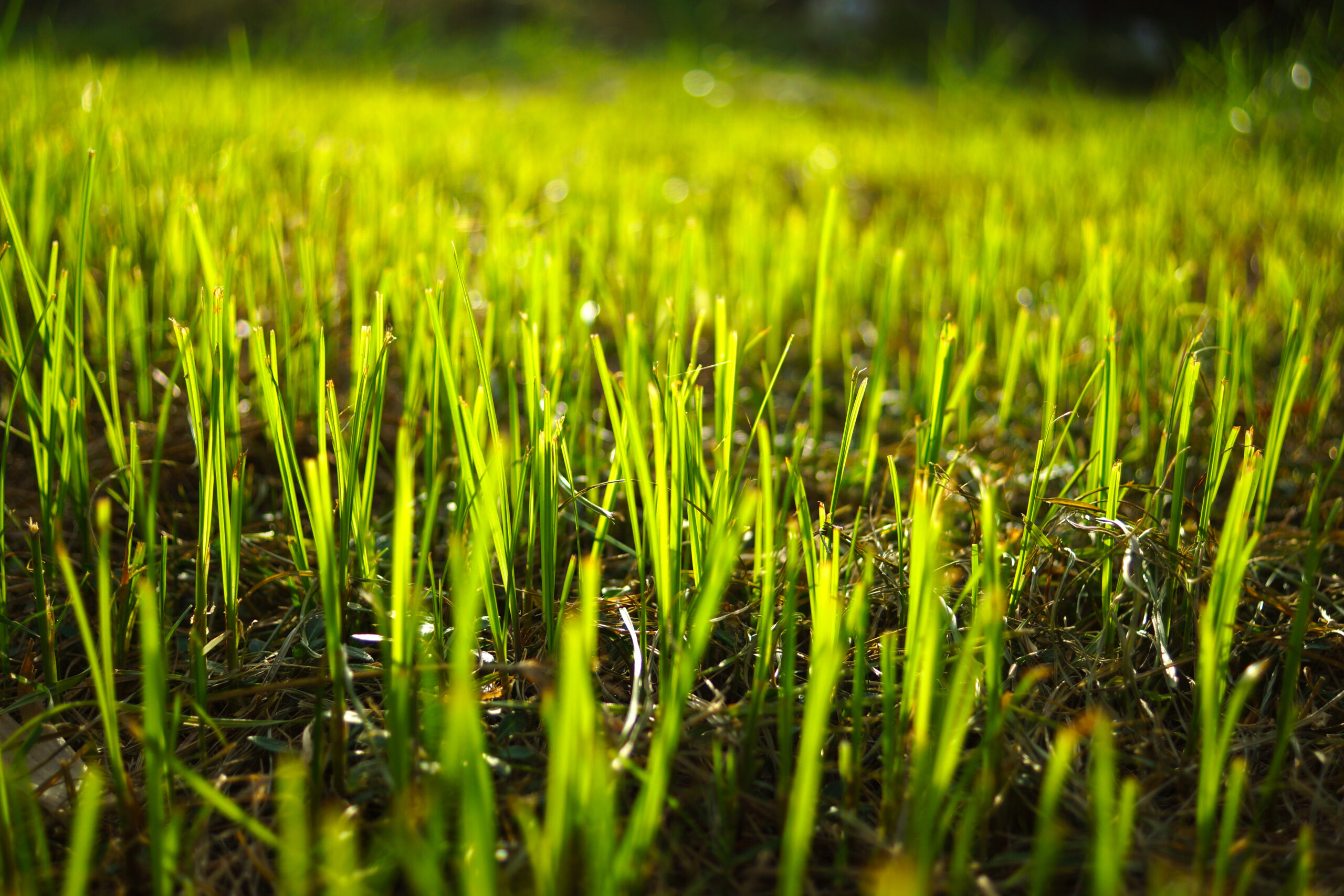
Local lawn challenges at a glance
Koch Kuts is a trusted name among burlington landscapers, and our crews see lawn problems in Southeastern Wisconsin every day. In this blog, our team explains the most common issues and how to fix them so your yard can look great from spring through fall. Burlington landscapers reveal common lawn problems in Southeastern Wisconsin and how to fix them. Get expert tips and solutions. Read now and schedule service. If you want a proven plan and a dependable partner, Koch Kuts is here to help with lawn care, hardscaping, and grading services tailored to local conditions.
Why lawns in Southeastern Wisconsin struggle
Our climate and soils create a perfect mix of stressors for grass. Cold winters, hot and humid summers, clay-heavy soils, and shade from mature trees all put pressure on lawns. When you layer in heavy foot traffic, pets, and road salt, even healthy turf can thin out. Understanding these local stressors helps you pick the right fix and avoid repeat problems.
- Clay soils compact easily and drain slowly.
- Freeze-thaw cycles damage crowns and roots.
- Humid summers favor fungal diseases.
- Salt from winter maintenance burns grass along edges.
- Shade and tree roots compete with turf for water and nutrients.
- Invasive weeds and grubs thrive in stressed turf.
Weeds that take over quickly
Crabgrass and annual grassy weeds
Crabgrass is one of the most visible lawn invaders in Southeastern Wisconsin. It loves heat and bare edges near driveways and sidewalks. Seeds germinate when soil hits about 55 degrees, which usually happens in early spring. The best defense is a pre-emergent barrier before germination, paired with proper mowing and a dense root system. Koch Kuts offers seasonal weed control and can time applications based on local soil temperatures, not just the calendar.
- Apply pre-emergent in early spring before consistent warm-ups.
- Mow at 3 to 3.5 inches to shade the soil and reduce germination.
- Edge cleanly and repair bare spots so weeds do not get a foothold.
- Overseed in fall to build thicker turf that crowds out crabgrass.
Creeping Charlie, dandelions, and other broadleaf weeds
Creeping Charlie spreads through stolons and thrives in shady, moist areas. Dandelions pop up wherever turf is thin. The key is to improve growing conditions for grass and use selective treatments when needed. Fall is often the most effective time for broadleaf controls because plants are moving nutrients to their roots. Burlington landscapers often blend cultural care with targeted treatments for long-term results.
- Increase sunlight with careful pruning and adjust irrigation.
- Use selective broadleaf treatments when growth is active, especially in fall.
- Hand pull weeds with intact roots in small areas.
- Mulch under trees to reduce competition and define planting beds.
Insects and grubs that damage roots
White grubs and Japanese beetle larvae
White grubs feed on roots and cause spongy, peel-back turf. You may see skunks, raccoons, or birds tearing up grass to get at them. The best approach is prevention during the proper window, paired with healthy turf practices. If you spot damage, treat and then overseed to rebuild density. Koch Kuts can inspect and recommend a prevention or curative plan as part of seasonal lawn care.
- Check by lifting a small section of sod to look for C-shaped larvae.
- Use preventative controls during summer when eggs hatch.
- Repair damage by overseeding or slit seeding after treatment.
- Maintain proper mowing height and deep watering to reduce stress.
Chinch bugs and sod webworms
These pests are more common in hot, sunny areas where thatch is heavy. Look for irregular patches that yellow and thin even with watering. Good mowing practices, aeration, and thatch reduction are essential. If pest pressure is high, targeted treatments may be needed. Burlington landscapers like Koch Kuts can confirm the issue before you spend money on products you may not need.
Fungal diseases that thrive in humidity
Snow mold after a long winter
Snow mold can mat turf and leave gray patches after snow melts. It is common where leaves and debris were left on the lawn or where snow piled up for long periods. Most mild cases recover with raking and spring feeding. Prevent repeat issues by mowing late into the fall, managing leaf cover, and avoiding heavy nitrogen late in the season unless part of a balanced plan.
Red thread and dollar spot in low-nitrogen lawns
Red thread and dollar spot are common when lawns are hungry and stressed. You may see pinkish threads or bleached spots on blades. The fix is often simple. Feed the lawn with a balanced fertilizer, water early in the morning, and mow with a sharp blade. If disease pressure remains high, a professional plan can prevent repeat flare-ups.
Leaf spot and melting out in spring
Leaf spot favors cool, wet conditions and can lead to thinning later. Improve airflow, reduce thatch, and avoid evening watering. A seasonal program that balances feeding, mowing, and irrigation goes a long way. Koch Kuts builds disease prevention into routine maintenance so your lawn is less likely to struggle.
Lawn thatch and soil compaction
Clay soils in Southeastern Wisconsin compact fast. Compaction limits oxygen and water movement, which weakens roots and invites weeds. Thatch becomes a problem when it is thicker than half an inch. Core aeration is the most effective way to open the soil and break up thatch. Koch Kuts offers core aeration and seasonal lawn care that targets these issues at the right time of year.
- Plan core aeration in spring or early fall when grass recovers quickly.
- Leave cores to break down and topdress with compost if needed.
- Overseed after aeration to thicken turf.
- Avoid heavy rolling except for minor leveling in spring when soil is moist but not saturated.
Watering and mowing mistakes
Overwatering leads to shallow roots
Too much water creates weak, disease-prone grass. Aim for about one inch of water per week from rain and irrigation combined. Water deeply and less often so roots grow down. Early morning is best. Install a rain sensor or smart controller if you irrigate. Burlington landscapers often find that adjusting schedules is the fastest way to improve lawn health.
Scalping and dull blades cause stress
Set mowing height to 3 to 3.5 inches for most cool-season turf. Never remove more than one third of the blade at a time. Keep mower blades sharp to prevent tearing and browning. Alternate mowing patterns to avoid ruts and reduce compaction.
Shade, trees, and competition
Shade from oaks, maples, and evergreens robs grass of light and battles turf for water. In deep shade, many lawns thin out no matter how much you seed. The solution is a mix of smarter grass choices, light pruning, and strategic design. Koch Kuts can redesign tough spots with mulch, groundcovers, or hardscapes that look clean and are easy to maintain.
- Choose shade-tolerant blends like fine fescue in low-light areas.
- Raise canopy with careful pruning to allow morning sun.
- Install mulch rings around trees to protect roots and reduce mowing stress.
- Consider paver walkways, steppers, or a small patio where grass will not grow.
Salt, pets, and winter damage
Salt burn along sidewalks and driveways
Deicing salt accumulates in soil and burns turf along edges. In spring, flush these areas with water and consider gypsum to help move salt through the soil. Switch to pet-safe or calcium-based products when possible. The Koch Kuts hardscaping team can add edging, river rock borders, or permeable pavers to protect sensitive turf along high-salt zones.
Dog spots and urine burn
Dog urine can create dark centers with brown rings. Flush the area with water right after pets go, and train them to use a mulched zone. Rake, add a little compost, and reseed with a durable tall fescue blend if needed. For heavy use, a pet-friendly hardscape can save you time and money while still looking good.
Vole trails and frost heave
After snow melts, you may see vole runways and lifted sod from frost. Rake lightly, roll small lifted areas once soil is moist, and overseed. Avoid heavy rolling, which compacts soil. Keep leaves and thatch in check before winter to reduce vole cover.
Drainage, erosion, and slope problems
Poor drainage leads to standing water, root rot, and disease. Erosion on slopes strips soil and seed. Fixing grade, adding swales, or installing a French drain can transform a problem area. Where slopes are steep, retaining walls and step systems can stabilize the site and make it usable. Koch Kuts specializes in excavation and grading, retaining walls, and permeable paver systems that control water and protect your lawn. As local burlington landscapers, we understand how Southeast Wisconsin storms move water through a property and how to direct it safely.
- Puddles linger 24 hours or more after rain.
- Moss or algae forms in constantly wet spots.
- Soil washes out on hills or around downspouts.
- Basement or patio edges stay damp after storms.
Nutrient balance and soil pH
Soil testing is one of the smartest steps you can take. It reveals pH and nutrient levels so you can feed the lawn accurately. Many local soils are slightly alkaline. That can lock up iron and cause yellowing even when you fertilize. Compost topdressing and the right fertilizer blend can correct these issues. Koch Kuts uses soil-driven plans rather than guesswork so you see steady improvement.
- Early spring: Clean up debris, light feeding if needed, pre-emergent for crabgrass, and spot-seed winter damage.
- Late spring: Mow high, monitor for grubs, and adjust irrigation as heat builds.
- Summer: Water deeply and early, control pests as needed, and raise mowing height.
- Early fall: Core aeration and overseeding, balanced feeding, and weed control.
- Late fall: Final mowing, leaf removal, and a winterizer application if it fits your plan.
Overseeding and full renovation
Thin turf can often be rescued with aeration and overseeding. Early fall is the best time in Southeastern Wisconsin. If more than half the lawn is weeds or bare, a full renovation may be faster. Koch Kuts offers slit seeding, topdressing, and renovation to match your goals and budget. We select cultivars that handle local heat, cold, and foot traffic.
- Pick improved blends of Kentucky bluegrass, perennial ryegrass, and tall fescue for durability and recovery.
- Prepare the surface by mowing low and removing debris.
- Core aerate or slit seed for good seed-to-soil contact.
- Keep seed moist with light, frequent watering until germination, then transition to deeper cycles.
How hardscaping supports a healthier lawn
Sometimes the best fix is less lawn in problem zones. Hardscapes reduce maintenance, stop erosion, and make outdoor areas more usable. Koch Kuts designs and builds paver patios, walkways, retaining walls, outdoor fireplaces, pool hardscapes, and shoreline restoration. Permeable pavers help manage water, and stone borders protect turf near pavement. Thoughtful design can transform a yard that is hard to maintain into a property you enjoy every day.
When to call the pros
If you are fighting the same problem over and over, it is time to get a plan. As experienced burlington landscapers, Koch Kuts can diagnose the root cause and put a seasonal program in motion. We provide lawn and grounds maintenance, core aeration, seasonal lawn care, snow removal, and a full range of hardscaping and excavation services. Our crews have over 25 years of experience serving Burlington, Waterford, Mukwonago, Lake Geneva, Racine, and nearby communities across Southeast Wisconsin. We are known for quality workmanship and reliable service.
- Inspection and diagnosis tailored to your site.
- Soil testing and a simple, seasonal plan.
- Core aeration, overseeding, and topdressing for stronger turf.
- Weed, grub, and disease prevention programs.
- Drainage fixes, regrading, and retaining walls to solve water problems.
- Paver patios, walkways, and borders that make maintenance easier.
Frequently asked questions
What grass types work best here?
Most lawns do best with a blend of Kentucky bluegrass for recovery, perennial ryegrass for quick germination, and turf-type tall fescue for drought tolerance. In deep shade, fine fescue is often the best choice. Koch Kuts can match blends to the light and soil in each area of your yard.
How often should I aerate?
Most Southeastern Wisconsin lawns benefit from core aeration once a year, usually in fall. Heavily compacted or high-traffic lawns may need spring and fall aeration. Aeration improves root growth and makes seedings more successful.
Can hardscaping really help turf?
Yes. Hardscapes manage water, control erosion, and remove stress from areas where grass struggles. A short walkway through a high-traffic strip can prevent wear. A retaining wall can level a slope and improve drainage. Permeable pavers limit runoff and protect surrounding turf.
Do you service commercial properties too?
Yes. Koch Kuts serves both residential and commercial clients with maintenance, seasonal care, snow removal, hardscapes, and grading. If you manage a business, HOA, or multi-site property, our team can plan and schedule services that keep your grounds looking sharp.
Get started with a healthier lawn
If your lawn is thin, weedy, or patchy, there is a reason. The fix starts with a clean look at soil, water, light, and mowing. As local burlington landscapers, Koch Kuts brings the right mix of lawn care, hardscaping, and grading to solve problems for good. We help homeowners and businesses across Burlington, Waterford, Mukwonago, Lake Geneva, Racine, and more. Visit kochkuts.com to learn more or request a free estimate. Tell us what you want your yard to do, and we will design a plan that makes it happen. Your best lawn in Southeastern Wisconsin starts with Koch Kuts.
For service you can count on from burlington landscapers who know local lawns, contact Koch Kuts today. We are ready to restore your turf, improve drainage, build hardscapes you will love, and keep your property looking its best in every season.


