
Winter-ready front walkway ideas for safer, smarter curb appeal
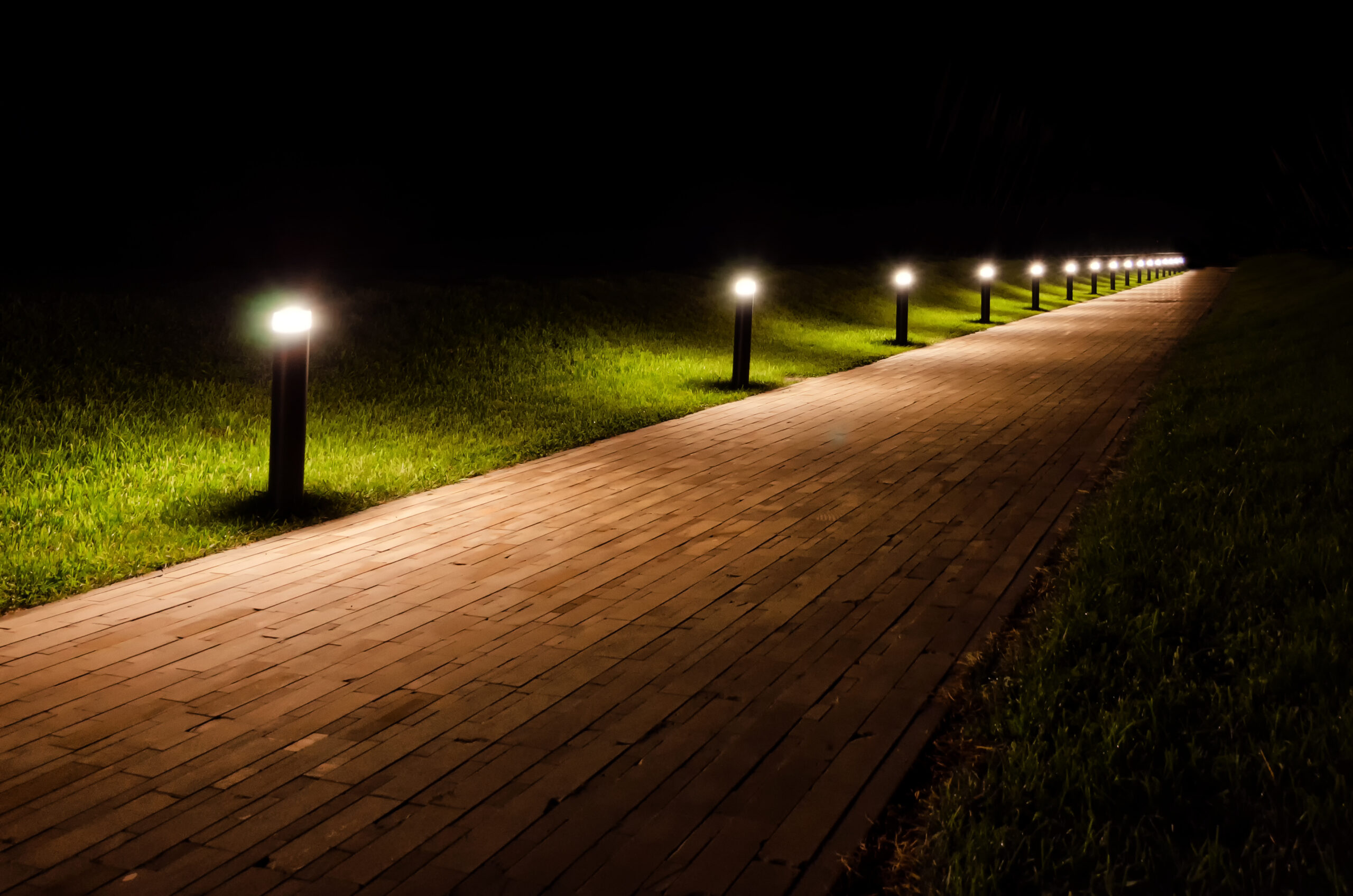
Looking for front walkway ideas that look great and work hard through Wisconsin winters? You are in the right place. Long freeze-thaw cycles, early sunsets, drifting snow, and icy mornings make path and lighting design more than a style choice. It is about safety, durability, and low maintenance. At Koch Kuts, our team designs and installs walkways and lighting systems that hold up to harsh weather while enhancing the look of your home or business. If you live in Burlington, Waterford, Mukwonago, Lake Geneva, Racine, or nearby, use this guide to plan a walkway that performs year-round.
Core principles for winter-ready front walkway ideas
Successful winter pathways start with smart planning. These principles guide every decision, from materials to lighting placement.
- Safety first: choose textures and finishes that provide traction in slush and ice.
- Clear navigation: use a direct route with gentle curves so a shovel or snow blower can move easily.
- Adequate width: plan at least 48 inches wide for most homes, and 60 inches or more if you want two people to pass or to use a snow blower comfortably.
- Defined edges: keep edges visible with contrasting borders or stable edging that stands up to frost heave.
- Reliable drainage: slope the path 1 to 2 percent so meltwater does not refreeze on the surface.
- Lighting for early nights: layered illumination prevents glare and guides footsteps on dark winter evenings.
- Snow storage: designate where plowed or shoveled snow will go so piles do not block entries or lights.
- Low maintenance: choose materials and de-icer strategies that require less effort to keep clear.
Best materials for Wisconsin freeze-thaw cycles
Concrete pavers with open-graded bases
Interlocking concrete pavers are a top choice for Wisconsin front walkway ideas because they flex slightly with seasonal movement and can be repaired one unit at a time. Koch Kuts installs pavers over an open-graded base that allows water to drain. This approach reduces the risk of heaving and ice formation. Joint sand is stabilized with polymeric binders to resist washout, and a contrasting soldier course makes edges easy to see in snow.
Natural stone with thermal or textured finishes
Natural stone offers timeless curb appeal when chosen and installed with winter in mind. Thermal-finished bluestone or textured granite provide better slip resistance than honed surfaces. For durability, consistent thickness is important, and we set stone on a properly compacted base or mortar bed depending on the site. Koch Kuts pairs stone with robust edge restraints to keep everything tight through winter cycles.
Broom-finished or textured concrete
Cast-in-place concrete can be a solid option when finished correctly. A medium broom finish or light exposed aggregate provides traction. Control joints are laid out to manage cracking, and air-entrained concrete helps it withstand freeze-thaw stress. Sealing concrete at the right intervals protects against de-icer intrusion. Koch Kuts helps you select de-icer products that are compatible with your surface to reduce spalling risk.
Permeable pavers for superior drainage
Permeable pavers move water through joints into a stone reservoir below. They reduce surface ice and speed up meltwater removal. For homes with downspouts near the walkway or sites with high traffic, permeable systems can be a smart upgrade that pairs well with Wisconsin conditions. Our team designs the base depth and stone gradations to match your soils for lasting performance.
Reliable edge restraint and base construction
In our climate, the base is as important as the surface. Koch Kuts typically uses 6 to 10 inches of compacted base material for walkways, with geotextile fabric as needed to separate soils. Stable edge restraint prevents spreading when snow blowers ride the edge. This foundation protects against frost heave and keeps your front walk smooth and safe.
Front walkway ideas: layouts that work in snow
Straight path with breathing room
A direct route from driveway or sidewalk to the front door is the easiest to clear. Plan 48 to 60 inches wide, and expand to 72 inches if you host frequent guests or want a more generous look. Add a landing pad near the door for packages and for turning a snow blower. At transitions like steps or porches, flare the walkway 6 to 12 inches wider to improve comfort and visibility.
Gentle S-curves that guide the eye
If you prefer curves, keep arcs broad and even. Tight S-bends are hard to shovel and can funnel meltwater toward the center. A gentle curve softens the look of the front yard while maintaining clear sightlines from the drive to the door. Koch Kuts uses layout strings and on-site adjustments to balance beauty with winter practicality.
Split path to driveway and street
A Y-shaped layout that branches to both the driveway and public sidewalk makes daily life easier. With two entries, you can choose the shortest route in bad weather. Keep each leg wide enough for a shovel, and add a central accent like a low planter or evergreen shrub to anchor the junction.
Turnouts, landings, and package zones
Turnouts are small side pads that give you space to stage snow, set down groceries, or let people pass. Add a 3 by 3 foot turnout near steps or at mid-run for comfort and safety. A package drop zone near the front door helps delivery drivers and keeps parcels off wet surfaces.
Radiant heat zones
Radiant snow-melt systems can keep the top surface clear without constant shoveling. Electric cables or hydronic tubing work under pavers or concrete. To manage costs, heat key zones only, such as the top landing, steps, and a center strip. Pair with a moisture and temperature sensor for automatic operation. Koch Kuts coordinates with electricians and HVAC pros to integrate these systems into your design.
Lighting layouts that cut through early sunsets
Good lighting turns a pretty walkway into a safe, welcoming entrance. The best front walkway ideas use layers of light to guide steps, highlight edges, and show depth without glare.
Layer your lighting
- Guide lighting: low path lights set back from the edge 12 to 18 inches create a soft glow. Stagger rather than mirror to avoid runway vibes, and select warm 2700 to 3000 Kelvin color for comfort.
- Task lighting: integrated step lights or under-cap lights at stairs and landings improve foot placement and reduce shadows.
- Accent lighting: small uplights on evergreens, ornamental trees, or a front column add dimension and make snow sparkle without blinding passersby.
- Wayfinding details: light the house number, mailbox, or gate so visitors find you quickly in snow and fog.
- Smart controls: photocells handle daily on-off cycles, while timers and app controls let you extend light during storms or events. Motion sensors can boost brightness at entries when someone approaches.
Cold-ready fixtures and wiring
Choose fixtures built to withstand cold, moisture, and salt. Cast brass or marine-grade composite bodies, sealed lenses, and stainless fasteners go the distance. Koch Kuts installs low-voltage systems with high-quality transformers and weather-resistant connections. We bury cable below frost depth where needed and route wiring away from areas that collect snow or where snow blowers operate.
Glare control and placement
Keep fixtures low and shielded so they light the path, not your eyes. Aim accent lights carefully to avoid shining into windows or onto the street. Where driveways meet the walk, keep fixtures outside the tire path and use robust stakes or risers that resist heaving.
Drainage and snow management that prevent ice
Water is the enemy when it freezes. Design your walkway to move water off the surface and away from foot traffic.
- Use a 1 to 2 percent slope away from the house and toward planting beds or lawn.
- Introduce gentle cross slope on long runs so meltwater does not pool in the center.
- Install strip drains or channel drains at the base of steps or where downspouts discharge.
- Redirect downspouts under or around the path, not across it.
- Plan snow storage areas where piles can sit without crushing plants or blocking lights.
- Use permeable pavers or gravel borders to absorb runoff when space is tight.
Planting and edges that hold shape in winter
Plants and edging give structure when leaves are gone. Evergreen shrubs, boxwood, juniper, and columnar conifers frame the walk and stay visible above moderate snow. Ornamental grasses add movement and catch frost beautifully. For color, consider red twig dogwood or berries that stand out against snow. Set plants back far enough that snow piles and shovels do not damage them. Use sturdy edging, raised curbs, or natural stone borders to keep snow off planting beds and maintain a clean line.
De-icers, sealers, and maintenance made simple
Choosing the right de-icer protects your investment and keeps traction high. Not all products are equal, and some can harm concrete or nearby plants. Follow these tips to keep your walkway in top shape.
- Use calcium magnesium acetate or sand for traction with minimal surface impact. These options are gentler on concrete and plantings.
- Magnesium chloride is less harsh than rock salt but still effective at moderate cold. Apply sparingly and sweep excess.
- Avoid sodium chloride on new concrete during the first winter. It increases scaling risk.
- Shovel early and often, then use a light de-icer application to break the bond of thin ice.
- Use plastic-blade shovels or rubber-edged plows on pavers and sealed concrete to prevent scratches.
- Check polymeric sand joints in spring and top off if needed. Reseal concrete every few years based on exposure.
Seasonal maintenance checklist
- Late fall: clean leaves from joints, check drain inlets, adjust light timers for shorter days.
- Early winter: stage shovels, ice melt, and a bucket of sand near entries. Mark walkway edges with low-profile guides if drifting is common.
- Midwinter: keep vents and lights clear of snow. Inspect for ice buildup where downspouts discharge.
- Early spring: rinse surfaces to remove salt residue, re-level any heaved edging, refresh mulch to improve drainage.
- Summer: seal concrete if due, add polymeric sand where needed, trim plants to maintain clear sightlines.
Accessibility, codes, and day-to-day usability
Comfortable slopes and landing sizes matter, especially in winter. Aim for a walkway slope under 5 percent where possible. If a ramp is required, follow accepted guidelines for rise and run and add handrails where needed. Keep clear width of at least 48 inches and provide flat landings at entries. At night, light levels should be bright enough to see surface texture without glare. Koch Kuts designs with accessibility and local codes in mind, so your walkway works for everyone in every season.
Budget and timeline factors
Project cost and schedule depend on size, material choice, site access, base depth, and lighting scope. Complex curves, steps, and drainage upgrades add design time and labor. Winter-ready features like permeable bases, high-quality fixtures, and durable edging pay off with fewer repairs and easier maintenance. Koch Kuts provides clear proposals and timelines after a site visit, so you know exactly what to expect.
Real-world inspiration from Southeast Wisconsin
Burlington colonial update: This homeowner wanted a classic look with less shoveling hassle. We installed a 60-inch-wide straight paver walk with a contrasting border, under-cap step lights, and a compact channel drain at the porch. Evergreens frame the route, and path lights are staggered for glare-free guidance. The open-graded base and polymeric joints have kept the surface even through many freeze-thaw cycles.
Lake Geneva lakefront path: Strong winds create drifting here, so we used a gentle S-curve with wide turnouts for storage. Permeable pavers handle snowmelt and nearby roof runoff. Brass fixtures warm the facade and highlight a sculptural conifer. A smart transformer adjusts runtimes with the season to save energy.
Racine midcentury refresh: A minimal concrete path with a medium broom finish pairs with low, shielded path lights and subtle step lighting. A Y-branch connects the driveway and public sidewalk, and a textured granite landing by the door provides a slip-resistant threshold. Downspouts were routed under the walk to prevent icing. The result is simple, safe, and true to the home’s style.
Why choose Koch Kuts for your front walkway
Koch Kuts is a full-service landscaping and hardscaping company based in Burlington, Wisconsin, with more than 25 years of experience serving Southeast Wisconsin. We build walkways that look great and handle winter. Our services span design, paver installation, retaining walls, outdoor lighting, grading, drainage, shoreline restoration, and seasonal maintenance like lawn care and snow removal. That means one team can shape the site, install the base, place pavers or concrete, integrate lighting, and plan the planting and drainage around it. We serve Burlington, Waterford, Mukwonago, Lake Geneva, Racine, and neighboring communities, and we stand behind our work with attentive customer service.
How to plan your project with Koch Kuts
- Initial call: share goals, inspiration, budget range, and timeline.
- Site visit: measure grades, check drainage, evaluate soil and access, and note winter challenges like drifting or icy spots.
- Concept design: choose a layout that meets your needs. Straight, S-curve, or split path, with landings and turnouts as needed.
- Material selection: compare pavers, natural stone, and concrete finishes. Pick edging and borders for visibility.
- Lighting plan: layer path, step, and accent lighting with smart controls. Select durable fixtures suited to cold and moisture.
- Drainage and base: define base depth, geotextile needs, and any drains or downspout reroutes.
- Proposal and schedule: review a clear scope, timeline, and maintenance guidance.
- Installation: our crew manages excavation, base prep, surface install, lighting, and cleanup.
- Walkthrough and care tips: learn de-icer best practices, sealing schedules, and seasonal checks.
- Ongoing support: add seasonal lawn care, snow removal, or periodic maintenance through Koch Kuts.
Front walkway ideas checklist for Wisconsin homes
- Pick a layout you can clear quickly in deep snow.
- Choose textured surfaces and a width that fits your shovel or blower.
- Design drainage to move meltwater off the path.
- Layer lighting to guide steps without glare.
- Plan snow storage zones that do not crush plants or bury fixtures.
- Select de-icers that protect surfaces and landscaping.
- Work with a local pro who understands freeze-thaw conditions.
Ready to build a walkway that works all winter
If you want front walkway ideas that stand up to Wisconsin winters while elevating your curb appeal, Koch Kuts is ready to help. Our experienced team designs and installs durable paths and lighting systems tailored to your property. From Burlington to Lake Geneva and Racine, we deliver quality workmanship and reliable service. Contact Koch Kuts for a free estimate and start planning today at kochkuts.com.


