
Stop Erosion Before It Gets Worse
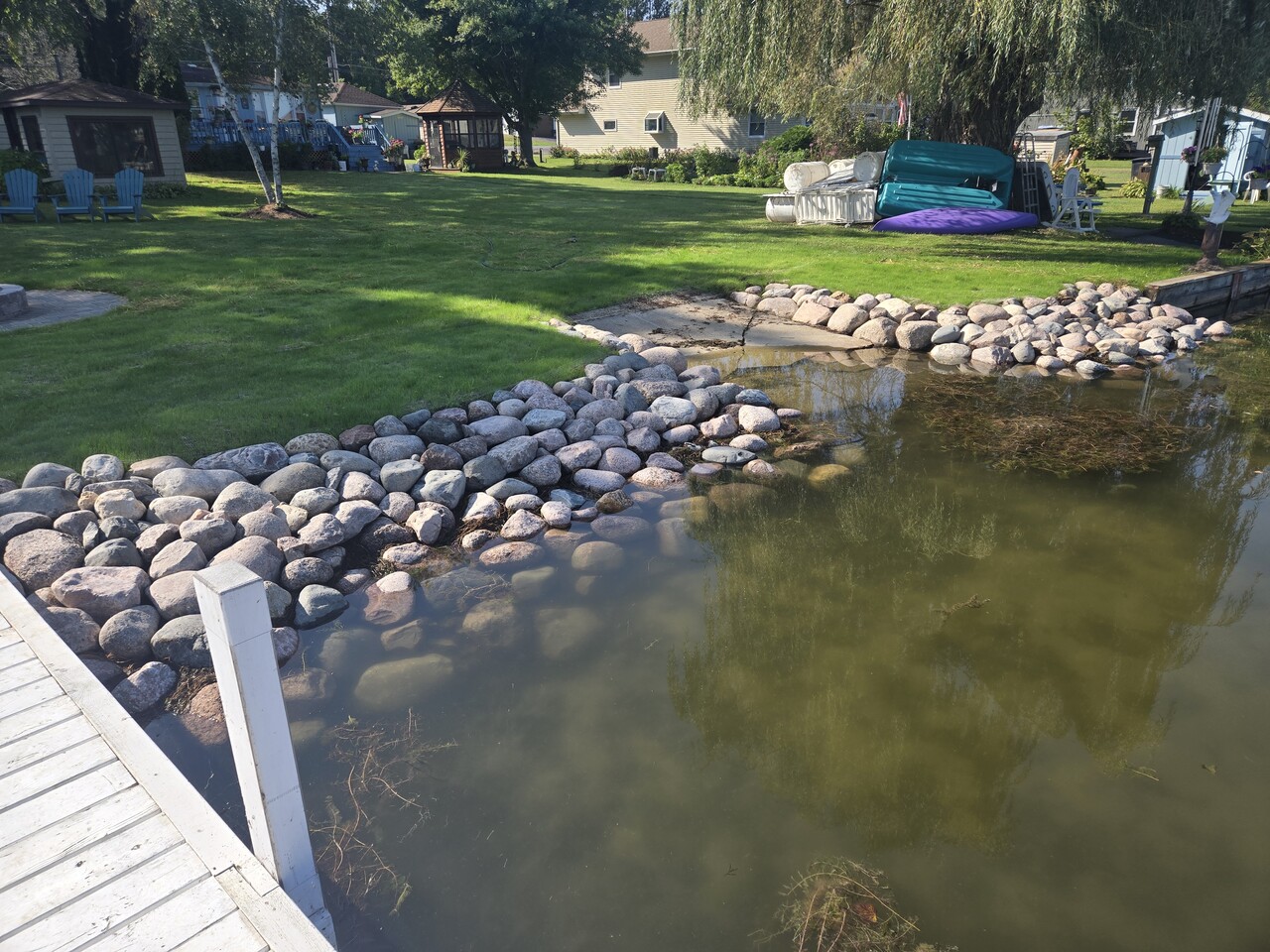
Riprap for erosion control helps stop your shoreline from washing away. If you have noticed your bank slipping, muddy water after storms, or stones tumbling into the lake, you are not alone. Shorelines across Southeast Wisconsin face steady pressure from waves, ice, wakes, and runoff. The good news is there are proven ways to protect your waterfront. In this guide, Koch Kuts explains why erosion happens, how riprap works, what it costs, and when to choose DIY or professional installation. If you want a safe, stable, and attractive shoreline, now is the time to act.
What Causes Shoreline Erosion?
Shoreline erosion is the gradual loss of soil along the edge of a lake, river, or pond. It often starts small, then speeds up as water undercuts the bank. The causes can be natural or human made, and most properties deal with a mix of both.
Natural Forces You Cannot Control
- Waves that hit and rebound, especially on windy days
- Ice push during freeze and thaw cycles
- Fluctuating water levels that saturate and loosen soil
- Storm runoff that channels down slopes and scours the bank
- Wind fetch that builds wave energy over open water
- Groundwater seepage that weakens the soil from behind
- Freeze and thaw that breaks apart compacted soil
Human Factors That Speed Up Damage
- Boat wakes that pound exposed banks
- Cleared vegetation that removes natural root structure
- Hard surfaces that increase stormwater runoff
- Poor drainage that directs water straight to the shoreline
- Old seawalls that reflect wave energy and scour the base
- Foot traffic that compacts soil and breaks plants
Once erosion starts, it can accelerate. Each wave takes a little more soil. Each storm cuts a deeper groove. Early action with riprap for erosion control can prevent bigger problems, protect your yard, and reduce long term repair costs.
How Riprap for Erosion Control Works
Riprap is a layer of durable stone placed along a shoreline to protect it from wave energy and runoff. The stones are sized and installed to interlock and stay put. A filter fabric is placed under the rock to keep soil from washing out. In many designs, a gentle slope is built from the water up the bank to break the force of waves before they reach the soil.
Key Benefits of Riprap
- Dissipates wave energy before it hits the soil
- Stabilizes slopes and prevents undercutting
- Allows water to drain while holding soil in place
- Creates habitat crevices for fish, frogs, and insects
- Withstands Wisconsin freeze and thaw cycles
- Requires little maintenance once properly installed
- Looks natural and blends with native plantings
Where Riprap Makes Sense
- Residential lakefronts with moderate wave action
- Rivers and streams with steady flow
- Pond edges that slump after heavy rains
- Culvert outlets and stormwater discharge points
- Steep banks where vegetation alone cannot hold soil
When matched to site conditions, riprap for erosion control offers a long lasting, natural looking solution. It can also be paired with native shoreline plantings for extra stability and improved water quality.
Riprap vs Other Shoreline Solutions
There is no one size fits all approach to shoreline protection. Here is how riprap compares to other common methods.
- Seawalls: Solid walls can be effective but often reflect wave energy, which scours the base and neighboring shorelines. They usually cost more and need more maintenance than riprap. In many cases, local rules favor naturalized options.
- Vegetation only: Deep rooted native plants are great for gentle slopes and low energy shores. On higher energy sites, plants alone may not hold. Pairing plants with riprap often brings the best results.
- Gabions: Wire baskets filled with rock can work, but the wire can rust or fail over time. Riprap is simpler and often looks better for residential settings.
- Bioengineering: Logs, coir mats, and brush layering support plant growth. These methods can be effective, but they may need protection with riprap at the toe or in high energy zones.
Understanding Costs
The cost of riprap for erosion control depends on shoreline length, site access, stone size, and labor. Think of it like building a small engineered structure that must stand up to water and weather year after year. A clear plan and proper materials protect your investment.
What Drives Price
- Stone type and size needed for your wave energy
- Thickness of riprap and length of shoreline
- Excavation for regrading and toe trenching
- Geotextile fabric or layered filter materials
- Site access for trucks and equipment
- Hauling distance and disposal of spoils
- Permitting and compliance requirements
- Complex curves, steps, or transitions to patios and lawns
Typical Ranges in Southeast Wisconsin
Every site is unique, so only an on site assessment can produce an accurate estimate. As a general guide, many homeowners in our region invest between several thousand dollars for a short, low energy shoreline to tens of thousands for longer, higher energy banks with limited access. Some projects are priced per linear foot, while others are based on time and materials. Koch Kuts provides clear, itemized quotes so you know exactly what you are paying for and why. We can also discuss phased approaches if you want to protect the most at risk sections first.
DIY vs Professional Installation
Hand placing a few stones along a calm garden pond is one thing. Building a durable shoreline defense is another. Before you decide, consider the scope and risks.
When DIY Can Work
- Very small ponds or short stretches with low wave energy
- Easy site access for rock delivery and staging
- Simple, gentle slopes that need minor touch ups
- Owners with experience in excavation and grading
DIY Risks to Watch
- Undersized stone that rolls away during storms
- Lack of filter fabric that allows soil to wash out
- Too steep a slope that slides under load
- No toe trench, which leads to undercutting
- Improper tie in to lawns or patios that creates tripping hazards
- Permitting mistakes that delay or stop work
Why Homeowners Choose Koch Kuts
Koch Kuts brings over 25 years of shoreline and hardscape experience in Southeast Wisconsin. Based in Burlington and serving Waterford, Mukwonago, Lake Geneva, Racine, and more, our team designs and installs riprap for erosion control that lasts. We combine smart engineering with careful craftsmanship and a friendly, reliable crew.
- Full site assessment to pinpoint causes of erosion
- Right size stone and proper gradation for your shoreline
- Correct slope, toe key in, and geotextile filtration
- Excavation and grading handled with professional equipment
- Seamless tie ins to lawns, patios, and stairs
- Shoreline planting plans for beauty and habitat
- Permitting support and compliance with local rules
- Clean, safe job sites and clear communication from start to finish
The Riprap Installation Process
- Assessment and design: We review wave exposure, soil type, slope, and drainage. We measure and plan stone size, thickness, and layout.
- Permitting: We help you navigate Wisconsin DNR and local approvals where required.
- Site preparation: We clear unsafe material, stabilize access, and protect nearby features.
- Grading: We cut a stable slope and excavate a toe trench at the waterline to anchor the rock.
- Filter layer: We install geotextile fabric and, when needed, a graded filter layer to keep soil from migrating.
- Stone placement: We place riprap from the toe up the slope, interlocking the rock to minimize voids and movement.
- Transitions: We finish edges cleanly against lawns, patios, and walkways.
- Vegetation: We add native shoreline plants above the riprap to strengthen the bank and improve water quality.
- Cleanup and walkthrough: We leave the site neat and review maintenance tips with you.
Permits and Local Regulations
Shorelines are sensitive areas and often require permits or notifications before work begins. In Wisconsin, the Department of Natural Resources may regulate activities below the ordinary high water mark. Counties, towns, and lake associations may also have rules for shoreland zoning, setbacks, and erosion control.
- Work near or below the high water mark may need DNR review
- Vegetation removal can trigger local shoreland zoning rules
- Construction access routes and silt control plans are often required
- Material selection and slope standards may be specified
Koch Kuts helps you understand what is needed and submits clear plans to keep your project on schedule and in compliance. Our team stays up to date with local requirements so you do not have to guess.
Maintenance Tips for Long Lasting Protection
Well built riprap for erosion control can last decades. A little care goes a long way toward keeping it performing and looking great.
- Inspect each spring and fall, and after big storms
- Reposition or replace any loose or missing stones
- Keep weeds and brush from rooting into the rock layer
- Make sure downspouts and drains do not discharge directly onto unprotected soil
- Avoid driving equipment close to the edge
- Use native buffer plantings above the riprap to slow runoff
- Limit boat wakes near the shore when possible
Eco Friendly and Beautiful Shorelines
Functional does not have to mean boring. Many homeowners pair riprap with native plants, curved edges, and stone steps to create a natural and inviting waterfront. Koch Kuts designs blends that protect the bank, look great year round, and support local wildlife.
- Native grasses and flowers filter runoff and add color
- Stone paths and sitting areas make the shoreline accessible
- Layered plant zones encourage pollinators and birds
- Natural stone choices that match your home and landscape
Common Questions
How thick should riprap be?
Thickness depends on wave energy and stone size. On calm pond edges, 6 to 12 inches may work. On lakes with more exposure, 12 to 24 inches is common. Koch Kuts sizes the layer to your site so it stays in place during storms.
What size stone do I need?
Stone size is matched to wave energy and slope. Smaller rock can wash away. Larger rock can be hard to place and may not interlock well if mixed incorrectly. Our team selects a proper gradation so the stones lock together and resist movement.
Will riprap raise my property value?
Stable, attractive shorelines appeal to buyers and help preserve yard space. Well designed riprap for erosion control protects your investment and boosts curb appeal at the waterline.
Can riprap harm fish or wildlife?
When properly designed, riprap can improve habitat. The spaces between stones offer shelter for small fish and invertebrates. Adding native plants above the rock further supports a healthy shoreline ecosystem.
How long does riprap last?
Quality stone and proper installation can last for decades with basic care. Severe storms and ice can move stones over time, which is why periodic inspection and small touch ups are important.
Why Choose Koch Kuts
Koch Kuts is a full service landscaping and hardscaping company based in Burlington, Wisconsin. For over 25 years, we have helped homeowners and businesses across Southeast Wisconsin protect and improve their outdoor spaces. We build paver patios, retaining walls, outdoor fireplaces, pool hardscapes, and premium driveways. We also handle excavation, grading, building pads, and fence line clearing. Shoreline restoration with riprap for erosion control is one of our specialties, and we take pride in solutions that look great and last.
- Local expertise in Burlington, Waterford, Mukwonago, Lake Geneva, Racine, and surrounding areas
- Custom designs that fit your property and budget
- Reliable schedules, clear pricing, and friendly service
- Skilled crews and the right equipment for clean, efficient work
- A focus on safety, site protection, and long term performance
- Options for seasonal lawn care and snow removal to keep your property looking sharp year round
Get Ahead of Erosion Today
If your shoreline is washing away, waiting will only make fixes harder and more costly. Riprap for erosion control can stabilize your bank, protect your yard, and restore peace of mind. Koch Kuts is ready to assess your site, explain your options in plain language, and deliver the quality workmanship you expect.
Contact Koch Kuts for a free estimate and a plan that fits your property. Visit kochkuts.com to get started. Together, we will protect your shoreline and create a waterfront you can enjoy for years to come.


