
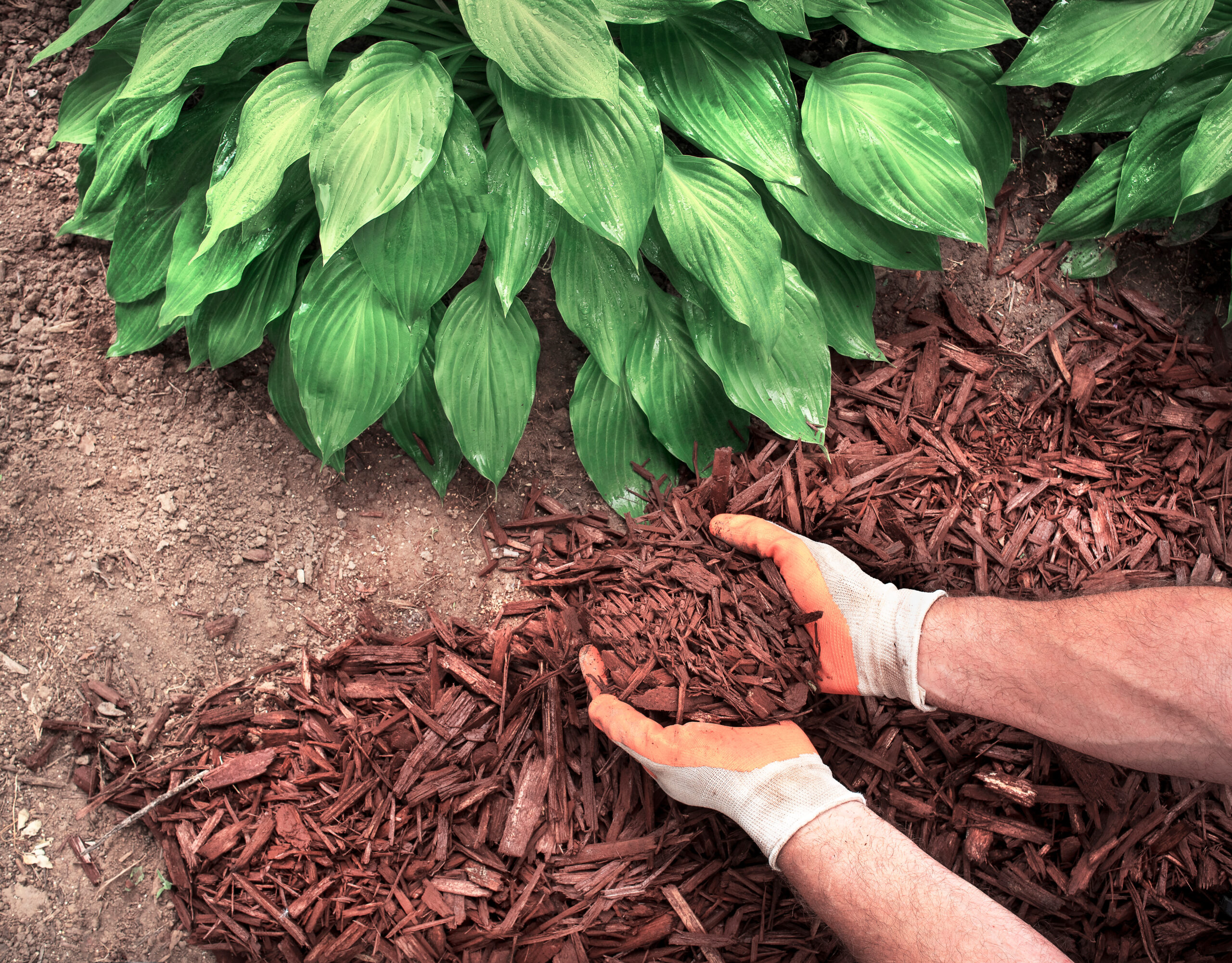
Yard washing away after every storm? Learn why dirt and mulch erode after rain and how to fix it with simple steps. Prevent runoff now with expert tips that protect your landscape and boost curb appeal.
What It Means When Your Yard Is Washing Away
If you see bare patches, exposed roots, or mulch piled at the bottom of a slope, your yard is washing away. This is erosion. Water is finding the fastest path downhill and taking your soil and mulch along with it. The good news is that there are practical fixes for every property and budget. At Koch Kuts in Burlington, Wisconsin, our team has 25 years of experience stopping erosion and shaping landscapes that stand up to Midwest weather.
Why Dirt and Mulch Wash Away After Rain
Steep Slopes and Poor Grading
Water moves faster on steep slopes. If your lawn or beds are pitched toward the street or your house, rainfall will gather speed and carry topsoil and mulch with it. Poor grading around a foundation can also send water toward your home, which increases erosion and can lead to basement moisture.
Heavy Rain and Snowmelt
In Southeast Wisconsin, spring rains and snowmelt often hit all at once. When the ground is frozen or already saturated, water cannot soak in. It flows across the surface and strips away loose material. This is a common cause behind a yard washing away in Burlington, Waterford, Mukwonago, Lake Geneva, and Racine.
Compacted or Clay Soil
Clay soil is common in our region. When compacted, it sheds water instead of absorbing it. That surface runoff picks up soil particles and mulch. Without air pockets and organic matter, your soil works like a hard pan and erosion speeds up.
Gutters, Downspouts, and Sump Pump Discharge
Roof runoff can be thousands of gallons in one storm. If your downspouts dump water near beds or slopes, or if your sump pump discharges near the foundation, the surge will tear away mulch and soil. Many yards washing away have no issue except downspouts that end in the wrong place.
Bare Soil and Sparse Roots
Bare ground is easy for rain to disturb. Without turf or plant roots to hold it together, soil particles lift and move. Thin turf, newly seeded areas, and disturbed soil near construction are at high risk.
Mulch Type and Depth
Some mulch floats more than others. Lightweight chips and nuggets are prone to washout. A thin layer of mulch can also slide off a slope. The wrong mulch choice for your site will fail in the first hard rain.
Hard Surfaces That Speed Flow
Driveways, walkways, and patios shed water quickly. If they are not graded or drained correctly, water concentrates along the edges and scours adjacent beds or lawns.
Poorly Placed Landscape Features
Edging set too high, rock borders without fabric, and decorative berms can redirect water into a narrow channel. Concentrated flow is a top reason behind a yard washing away, even in otherwise flat areas.
How to Stop Your Yard Washing Away Right Now
You can take simple steps this week to slow erosion and protect your landscape while planning long term solutions.
- Add splash blocks or downspout extensions to send roof water at least 6 to 10 feet away from beds and slopes.
- Use shredded hardwood mulch at 2 to 3 inches deep, not piles. Rake mulch back up the slope after each storm until permanent fixes are installed.
- Lay a quick erosion control blanket on bare soil to hold seeds and soil in place.
- Edge beds with stone or pavers set slightly higher on the uphill side to slow water entering the bed.
- Place flat rocks as check stones in mulch pathways to break water speed.
- Overseed thin turf and keep off steep slopes when soil is wet to avoid compaction.
Long Term Fixes That Last in Wisconsin Weather
For a lasting solution, blend grading, drainage, hardscaping, and planting. Koch Kuts designs and installs erosion control systems that match your yard and budget.
Regrade for Proper Slope
Grading sets the foundation for drainage. The goal is a gentle, even slope that moves water away from structures and spreads flow across the yard rather than concentrating it.
- Target a drop of about 1 inch per foot for the first 5 to 10 feet away from your home.
- Soften steep areas so water does not gain speed.
- Use quality topsoil with compost to improve infiltration.
Koch Kuts provides excavation and grading, building pads, and fence line clearing. Our team shapes the ground precisely, then compacts and finishes it to hold grade through storms and seasons.
Install Drainage That Controls Flow
Drainage systems collect and redirect water in a controlled way. The right solution depends on the source and volume of runoff.
- French drain: A trench with perforated pipe and stone that collects subsurface water and carries it to a safe outlet.
- Dry creek bed: A lined, shallow channel with river rock that slows and guides surface water. It looks natural and works well along fences or between houses.
- Catch basins and channel drains: Point drains that pick up water from low spots or hardscapes.
- Rain garden: A shallow basin planted with deep rooted natives that temporarily holds and filters stormwater.
Koch Kuts builds these systems to code and ties them into daylight outlets or approved infiltration areas. We prioritize safety, performance, and a clean finish.
Build Retaining Walls and Terraces
On steep slopes, a retaining wall reduces grade and creates flat planting or lawn areas. Properly engineered walls resist soil pressure and erosion.
- Segmental retaining walls with drainage backfill and fabric.
- Terraced walls that break a steep hill into manageable steps.
- Integrated steps, planters, and lighting for a polished look.
Koch Kuts designs and installs retaining walls and paver systems that blend beauty with function. We match materials to your home and landscape style.
Choose Mulch That Stays Put
Mulch does more than look good. It stabilizes soil, keeps moisture, and regulates temperature. Use the right type and install it correctly.
- Double shredded hardwood mulch interlocks and resists washout better than chips or nuggets.
- Apply 2 to 3 inches of mulch. Too thin slides off. Too thick floats and blocks air.
- On steep slopes, use erosion netting under mulch or secure it with biodegradable stakes.
- Consider stone mulch on the steepest parts and organic mulch on flatter beds.
- Keep mulch 2 to 3 inches away from trunks and foundations.
Stabilize Shorelines and Ditches
Waterfront and ditch edges need special care. Live staking, coir logs, native grasses, and well built riprap stop undercutting and loss of soil.
Koch Kuts performs shoreline restoration throughout Southeast Wisconsin to protect lakes, streams, and ponds while improving property value.
Step by Step Plan to Fix a Yard Washing Away
- Look during a rain. Note where water starts, speeds up, and settles. Take photos for planning.
- Check gutters and downspouts. Clean them. Add extensions to carry water well away from beds and slopes.
- Rake mulch back into place. Replace lightweight mulch with double shredded hardwood.
- Mark slopes and low spots with flags or paint. Identify areas where water concentrates.
- Plan grading changes. Aim to spread flow across a broader area.
- Choose a drainage solution for problem zones. French drain, dry creek bed, or a rain garden are common choices.
- Stabilize bare soil with seed, straw blanket, or erosion control fabric.
- Add plants with strong roots. Mix deep rooted natives and groundcovers for coverage.
- Reinforce edges of hard surfaces with proper border and drainage to prevent washouts.
- Schedule a consultation with Koch Kuts for professional design and installation that lasts.
Lawn and Plant Strategies That Fight Erosion
Healthy turf and smart plant choices anchor soil and slow runoff.
- Core aeration improves infiltration and helps roots grow deeper. Koch Kuts offers core aeration as part of seasonal lawn care.
- Topdress with compost to boost soil structure and water holding capacity.
- Choose deep rooted natives like little bluestem, switchgrass, and coneflower for slopes and rain gardens.
- Use groundcovers such as creeping phlox, pachysandra, or vinca on shaded slopes.
- Install sod on critical areas for instant stabilization.
- Fertilize and mow correctly. Taller grass shades soil and reduces erosion.
Driveways, Patios, and Hardscape Drainage
Hard surfaces can either help or hurt. Proper design prevents a yard washing away along edges.
- Ensure your driveway has a slight crown or pitch to send water to planned drains.
- Install channel drains at the base of sloped driveways.
- Consider permeable pavers for patios and walkways to let water soak in.
- Add edge restraints and gravel bases under pavers to keep surfaces stable.
- Use geotextile fabric under gravel to separate soil from stone.
Koch Kuts designs and builds paver patios, pool hardscapes, and premium driveways with the right base and drainage so your investment lasts.
Seasonal Tips for Southeast Wisconsin
Our climate brings freeze thaw cycles, spring melt, and heavy summer storms. A few seasonal habits reduce erosion risk.
- Early spring: Clean gutters and downspouts. Repair winter ruts. Reseed bare spots.
- Late spring: Refresh mulch, but do not overdo depth. Check and adjust downspout extensions.
- Summer: Water deeply and less often to encourage deep roots. Watch for washouts after big storms and repair quickly.
- Fall: Aerate and overseed. Add compost. Install permanent drainage or grading while soil is still workable.
- Winter: Avoid piling snow on the downhill side of beds where melt will erode soil.
When to Call a Professional
Simple fixes may work for small problems. Call a pro when you see any of the following:
- Mulch and soil wash away after every storm.
- Standing water near your foundation or in the lawn.
- Gullies forming on slopes or bare patches that keep growing.
- Water entering your basement or crawlspace.
- Steep grades that need terracing or a retaining wall.
Koch Kuts offers full service landscaping, hardscaping, excavation, and grading. We tailor solutions to homes and businesses, and we serve Burlington, Waterford, Mukwonago, Lake Geneva, Racine, and surrounding areas.
Why Choose Koch Kuts
Koch Kuts is a local team with more than 25 years of experience transforming outdoor spaces across Southeast Wisconsin. We bring a complete set of services to every project so your fix is not a patch. It is a plan that lasts.
- Landscaping: Lawn and grounds maintenance, core aeration, seasonal lawn care, and snow removal keep your property protected year round.
- Hardscaping: Paver patios, retaining walls, outdoor fireplaces, pool hardscapes, and shoreline restoration add structure and beauty that also reduce erosion.
- Excavation and Grading: Land preparation, building pads, premium driveways, and fence line clearing create the right foundation for drainage and stability.
Our clients choose us for quality workmanship and excellent customer service. We communicate clearly, respect your property, and stand behind our work. If you are dealing with a yard washing away, we will diagnose the root cause and deliver a tailored solution. Learn more or request a free estimate at kochkuts.com.
Frequently Asked Questions
What mulch is best to stop washout?
Double shredded hardwood mulch interlocks and stays put better than light chips or nuggets. Keep it 2 to 3 inches deep. On steep slopes, pair it with an erosion control blanket or use decorative stone in the steepest areas.
How much slope should I have away from my home?
As a general rule, aim for a drop of 1 inch per foot for at least 5 to 10 feet away from your foundation. Every property is different. Koch Kuts can evaluate and set the correct grade for your site.
Will a French drain fix my problem?
French drains are great for collecting subsurface water and drying out soggy areas. If your issue is fast surface runoff, a dry creek bed, swale, or grading adjustment may work better. Many yards need a mix of solutions.
Should I switch to rock instead of mulch?
Stone can help on steep slopes and in high flow areas. It does not add organic matter, so use it where needed and keep organic mulch and plants in beds that benefit from soil improvement.
How do I protect new seed from washing away?
Use a straw or coir erosion control blanket over seed on any slope. Pin it down. Water gently until roots take hold. Avoid walking on newly seeded areas when wet.
Can retaining walls stop my yard washing away?
Yes, when designed and built correctly. Retaining walls flatten slopes, slow water, and add usable space. Proper drainage and base preparation are critical. Koch Kuts designs and installs walls that last in our freeze thaw climate.
A Proven Strategy to Protect Your Landscape
Address the source of water, slow it down, spread it out, and soak it in. That simple strategy is behind every successful erosion control project. Start with gutters and downspouts. Fix grading. Add the right drains where needed. Stabilize with mulch, plants, and hardscapes that fit your property. With the right plan, you can stop a yard washing away and enjoy a landscape that looks great after every storm.
Get Help From Local Experts
If you are tired of raking mulch after every rainfall or watching bare patches grow, you are not alone. Homeowners and businesses across Southeast Wisconsin face the same challenges. Koch Kuts is ready to help with a custom plan that fits your property, timeline, and budget. From grading and drainage to retaining walls, patios, and lawn care, we have the tools and experience to protect and enhance your outdoor space.
Contact Koch Kuts to schedule a consultation or request a free estimate at kochkuts.com. Let us stop your yard washing away and build a landscape you will be proud of in every season.


